There’s a shade that’s been dominating red carpets, magazine covers, and our favorite beauty influencers’ feeds. It’s vibrant, it’s fresh, and it’s the shade you need in your beauty arsenal immediately: orange lipstick.
Because orange lipstick is not a color — it’s an emotion. Down in the dumps? It will instantly boost your mood like a pop of sunshine.
Need to pull together a look quickly? Swipe on this sharp, punchy hue. Want to stand out from the crowd? Yup, orange lipstick again — a color that’s so fresh and modern, like red’s cooler, not-so-serious sister.
But I can’t pull off orange!” — said every woman ever?
Is that how you feel? I used to be in the same camp till a makeup artist at New York Fashion Week showed me how to pull off orange lipstick — with a punch!
Along with a few more home truths. Like: Unlike red lipsticks, orange shades don’t have saturated blue or red undertones, so they warm and brighten every skin tone.
And now, I am here to show you everything she taught me. So, if you’re wondering how to wear orange lipstick, read on! After all, why follow the crowd when you can stand out and lead the parade with a gorgeous orange pout?
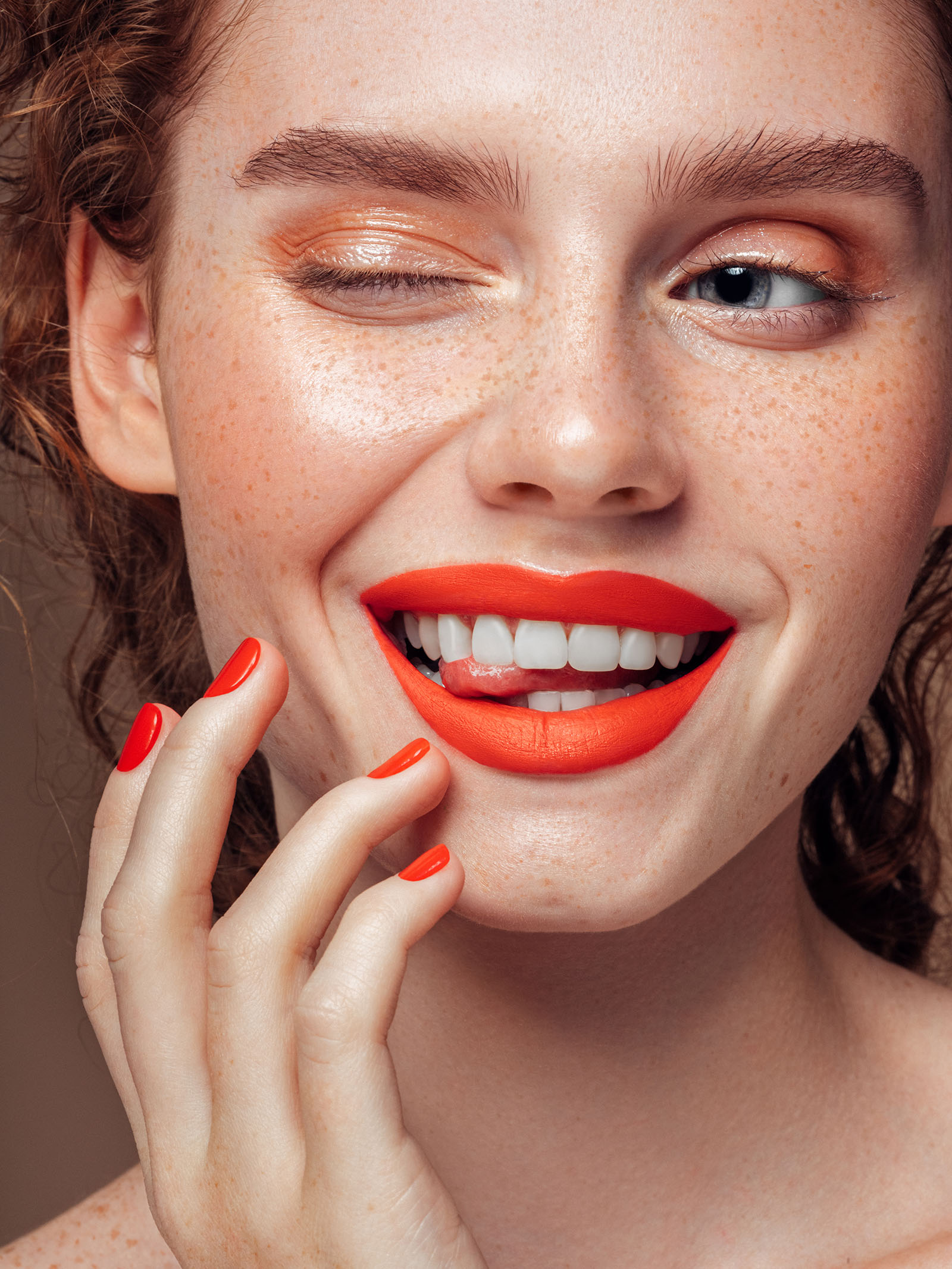
How To Wear Orange Lipstick
Pairing orange lipstick might seem tricky, but it’s all about balance. Here’s how to ace the perfect orange pout, whether it’s for the red carpet or the office.
Start With Sheer
You don’t have to go with super-saturated blood orange right out of the gate. To ease into the sunshine shade, start small with lip oil for just a hint of color (I am totally in love with the Dior Lip Glow Oil in Bright Coral and NYX Fat Oil Lip Drip in Follow Back!).
Once you are ready to take off the training wheels, move up the intensity scale with a sheer coral gloss. The ones I would bet my money on? The Tower 28 Beauty ShineOn Lip Jelly Non-Sticky Gloss in Fire, Bobbi Brown Crushed Oil-Infused Gloss in Freestyle, and the Hourglass Unreal High Shine Volumizing Lip Gloss in Horizon!
Want to dive right in? It’s time to bring out the orange lipstick. Still, seeking to play a bit more muted? Dab the lipstick only on your bottom lip and blend. The ones I have found work on all skin tones? The Charlotte Tilbury Hot Lips Lipstick in Hot Emily and Sephora Collection Satin Hydrating Lipstick in Fierce Fire.
Pick the Shade
Whether you’re porcelain-fair or deep-ebony, there’s the perfect shade of orange for the full range of skin tones — besides the suit-all-complexions options listed above.
Fair skin? Your best bet is a coral or soft peach lipstick like Sephora Collection Lip Stories Natural Wonders Lipstick in Desert Dreaming and Too Faced Lady Bold Cream Lipstick in Comeback Queen.
Medium skin tones? A true orange, burnt orange or orange-red lipstick is your jam. This is where I lie on the orange color spectrum, and my favorites are the Armani Beauty Lip Power Long Lasting Lipstick in Mania and NARS Audacious Lipstick in Mona.
And for the dark skin toned beauties? A dark skin tone would do well to dive into orange lipstick shades in deep terracotta and brick orange. The Rare Beauty Lip Soufflé Matte Cream Lipstick in Brave, Charlotte Tilbury Airbrush Flawless Matte Lip Blur Liquid Lipstick in Terracotta, and Givenchy Rouge Interdit Intense Silk Satin Matte Lipstick in Brun Mocha would be a great choice.
Still confused? Try a virtual makeup app to play with different shades!
Perfect the Application
Like any bold lipstick, the lips must be well-prepped and free from dry flakes. Here’s how to get that flawless makeup look when you wear orange lipstick:
Lip Liner: Orange lips should look clean and crisp — the way to do that is with a precise lip liner. This will reduce the messiness and stop the saturated shades from migrating to your cheeks. Try to get an exact match for the best effect!
Exfoliate: Orange, especially the brighter shades, can highlight flaky or dry lips. Use a lip scrub for a smoother canvas.
Layering: Apply, blot, and reapply for the perfect pop of color. This ensures your lipstick lasts longer and looks more vibrant. For super-precise application, try a lip brush — or opt for a liquid lipstick, which comes with its own precision tip.
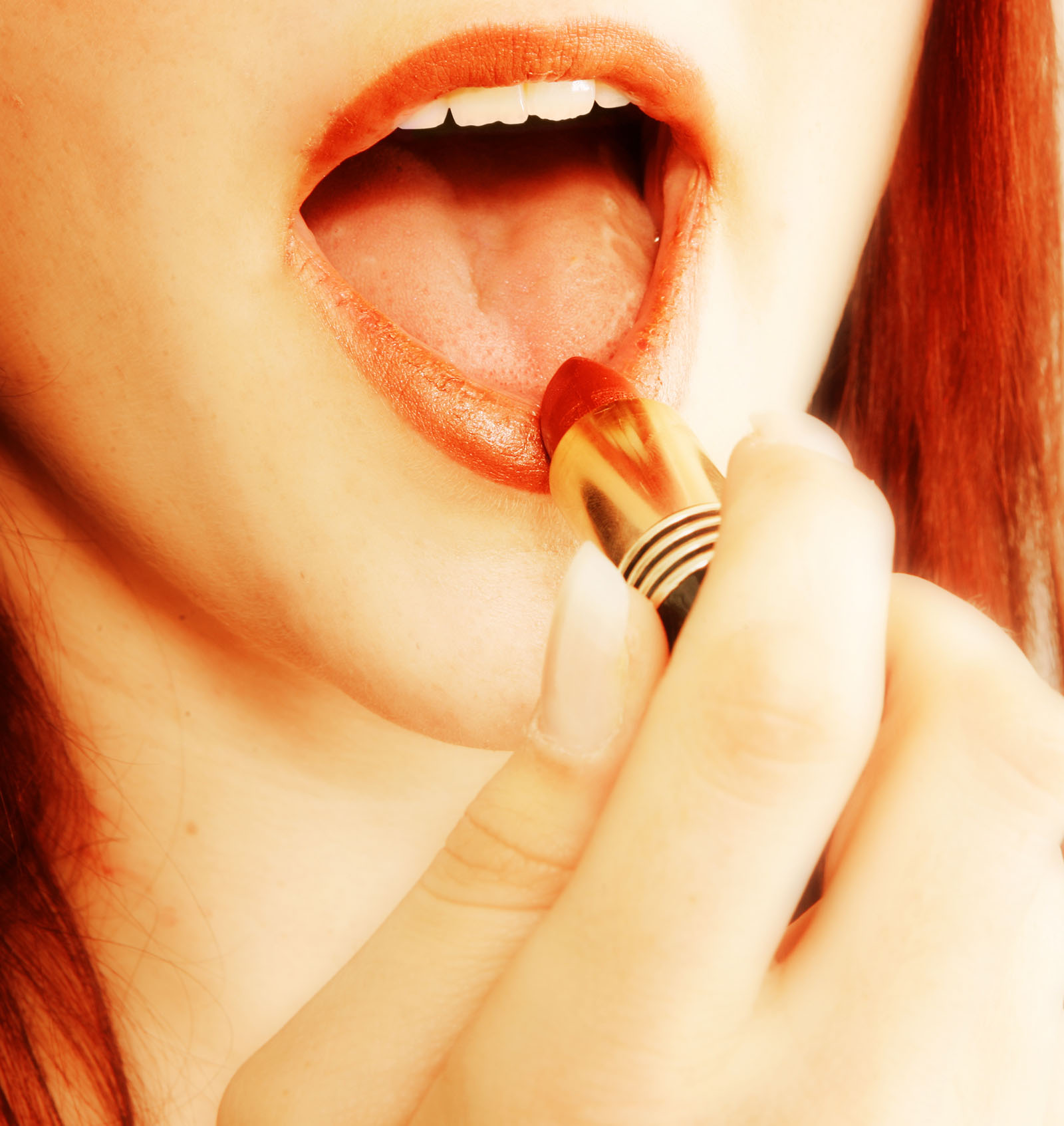
Wear Your Skin Clean and Dewy
Orange is fun and fresh, so it needs to be paired with a fresh, unfussy face. This means keeping the rest of your makeup light and simple.
With one caveat: orange lipstick can highlight redness and blemishes, so you will need to conceal any spots with a light-to-medium-coverage foundation.
Mix your foundation or tinted moisturizer with a liquid highlighter such as the Charlotte Tilbury Flawless Filter for the most glowy effect.
If you’re feeling pale, dust on some bronzer and follow it up with a light wash of highlighter on your cheekbones and brow bones. The result is beach-y and super-sexy.
Say No To A Heavy Eye Look
An orange lip color is a style statement, like a punchy necklace or bright shoes. You wouldn’t clutter up these with dangly earrings or super-patterned trousers, right? Similarly, orange lipstick works best when left to its own.
Ditch bold choices like dark eyeshadows and heavy black eyeliner — instead, keep the focus on your lips by curling your lashes and applying a coat of clear mascara.
If ditching eye makeup is a no-go for you, try the next best thing: smudge some dark brown kohl liner around your upper and lower lash lines (like a soft smokey eye), then wiggle 2-3 coats of mascara through your (curled) upper lashes.
For nightwear, opt for a wash of bronze or rose gold eyeshadow. Or draw on a jet-black liquid liner with clean mascara for effortless sophistication. The effect: a bright burst of color on an otherwise bare face. It’s the perfect touch of glam!
And this is a non-negotiable when you wear orange lipstick: bold lips need bold brows. Otherwise, your face will look unbalanced. So work on them and fill gaps with a brow pencil until you get the perfect frame.
Dress To Impress
Consider its fashion companions when aiming to impress with your vibrant orange lipstick.
Earthy & Neutral Colors: Earth tones such as browns, tans, and olives bring out the warmth of your orange lipstick. A beige summer dress or olive cargo pants could be your next go-to with that fiery pout.
Cool Contrasts: Shock and awe with contrasting shades. Think deep blues, purples, or even teals. These colors will make your lips stand out even more.
Monochromatic Match: Don’t shy away from wearing an orange dress or top with your orange lipstick. It sounds risky, but when done right – with the perfect hue and styling – it can be breathtakingly chic.
Accessorize with pizzazz
Because what’s a major lip look without the right accessories?
Gold Galore: Gold jewelry, be it chunky necklaces or delicate anklets, complements the warmth of orange lipstick, creating a cohesive and luxurious look.
Minimalistic Magic: Sometimes, the lips should take center stage. Opt for subtle and minimalistic accessories to keep the focus on your vibrant pout.
Pop with Patterns: Play with patterns! Stripes, polka dots, or abstract prints can add a playful touch to your outfit, blending harmoniously with your bold orange lips.
Orange Lipstick: Separating Facts from Fiction
With its bold and vivid hue, orange lipstick has been surrounded by several myths and misconceptions. Let’s start by setting the record straight and dispelling the myths clouding this vibrant shade.
Myth 1: It’s Not Wearable for Every Day
Fact: Orange is as versatile as any other lipstick color, with so many different shades! While neon orange might be better suited for events or nights out, muted coral or peachy tones are perfect for a daytime look. Paired with a natural makeup look, a softer orange shade can be understated and chic.
Myth 2: It’s Only For Summer
Fact: Many associate orange with sunny summer days, but the spectrum of orange shades makes it a year-round color. Deep, rusty oranges evoke feelings of autumn, and a muted terracotta can be as cozy as a winter sweater. Think beyond the season and focus on the mood you want to set.
Myth 3: Orange Doesn’t Suit Darker Skin Tones
Fact: Quite the opposite! Darker skin tones can rock a wide range of orange shades. From bright tangerines to deep burnt oranges, these shades can contrast beautifully, making lips pop and enhancing one’s overall glow.
Myth 4: It’s Too Bold for Older Women
Fact: Beauty has no age limit! Orange can add a youthful, fresh vibrancy to anyone’s look. For those who prefer subtlety, numerous softer shades can bring warmth and brightness without being overly flashy — so, you don’t even need to step too far out of your comfort zone.
Myth 5: Orange Makes Teeth Look Yellow
Fact: While it’s true that some shades with strong yellow undertones can highlight yellow in teeth, not all oranges are created equal. Opt for shades with a blue undertone, like corals, which can actually make teeth appear whiter.
Myth 6: It’s Hard to Match with Outfits
Fact: when styled right, orange can be a versatile addition to your wardrobe. It pairs beautifully with neutrals, earth tones, and even contrasting shades like blue or teal. Think of it as a statement accessory that adds a splash of color to your ensemble.
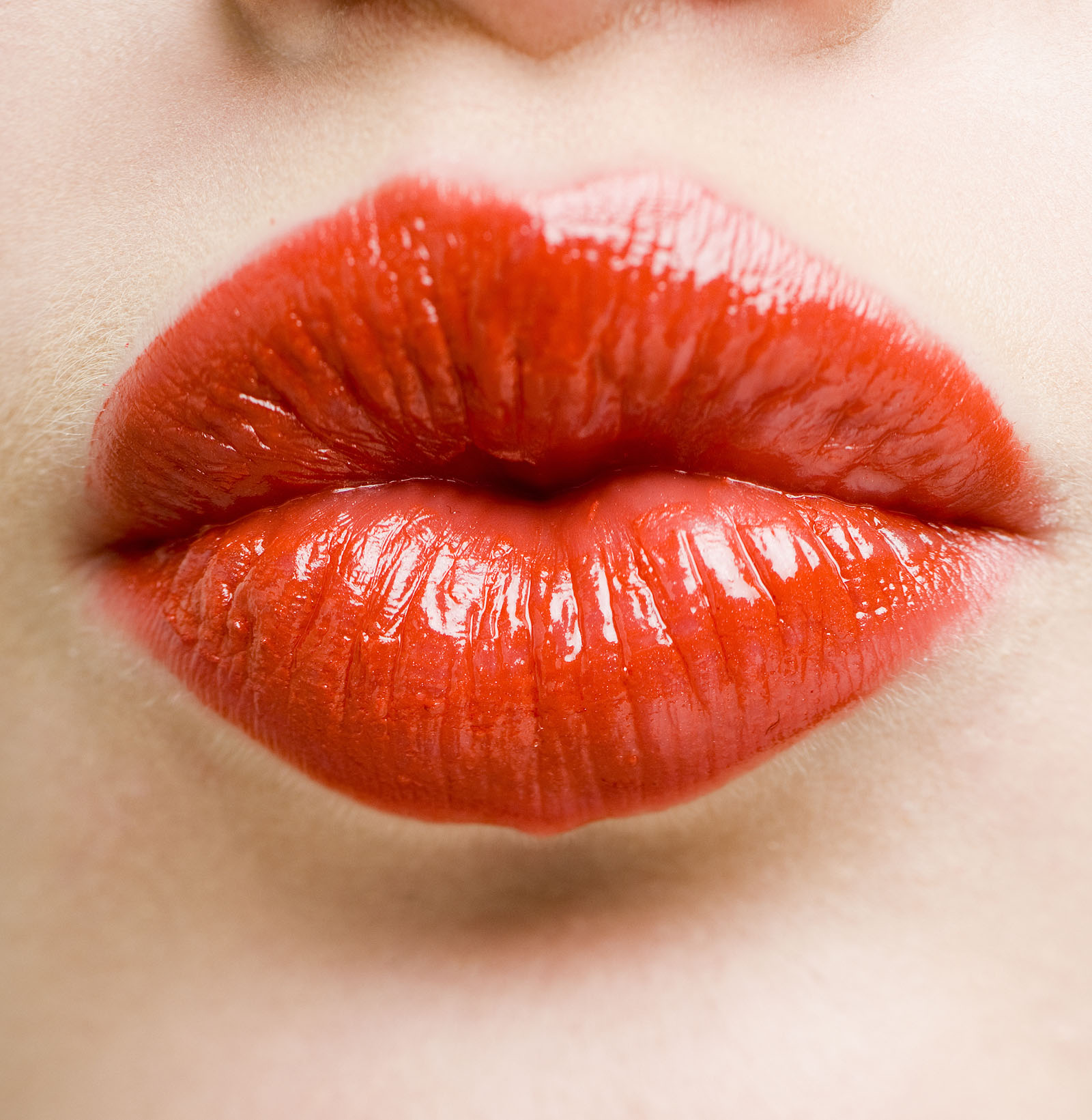
FAQs: How To Wear Orange Lipstick
Here are the most frequently asked questions about how to wear orange lipstick. Have one of your own? Drop it in the comments below.
How do you use orange lipstick?
Just like any lipstick! Ensure your lips are exfoliated and moisturized. Apply a lip primer if desired, line with a complementary lip liner, and then swipe on your chosen shade. Blot and reapply for intensity.
What clothes go with orange lipstick?
Earthy tones, neutrals, and even contrasting shades like blues or teals work well with an orange hue. From casual tees to formal dresses, it’s all about balancing your overall look.
What does orange lipstick look good on?
Orange lipstick can enhance a variety of features. It complements warm eye colors, highlights a tan or natural glow, and can make a bright, joyful statement for anyone willing to try it.
What skin tone can wear orange lipstick?
Every skin tone! From porcelain to deep ebony, there’s an orange shade to match. It’s all about finding the hue that best complements your undertone and personal style.
Does orange lipstick look good on everyone?
Yes, with the right shade and confidence, orange can suit anyone. It’s about experimenting and finding the tone and intensity that makes you feel fabulous.
Does orange lipstick cover dark circles?
While lipstick is primarily for lips, in a pinch, its undertones can counteract blue or grayish dark circles when blended under the eye. However, a corrector or concealer would be more effective for this purpose.
Is there a best season to wear orange lipstick?
While many associate it with summer, the diverse range of oranges makes it a year-round shade.
Are you ready to wear orange lipstick now?


Prairie Wife says
Thanks for the wonderful tips, making sure you have defined brows but not heavy eye makeup is just the info I needed!
Honnie says
Nice advice am colour wat do I line my lips with a dark brown black blue etc to bring out the colour orange in Ashley Lee color matte pls and thanks you
suggie says
use a color called jungle from urban decay. it’s da bom’